State the condition
Attach distance, bandwidth, placement, and test method to performance language.
The Electro-Voice name dates to 1927. This page treats that heritage as a responsibility to explain system choices, test assumptions, and document the conditions behind a result.
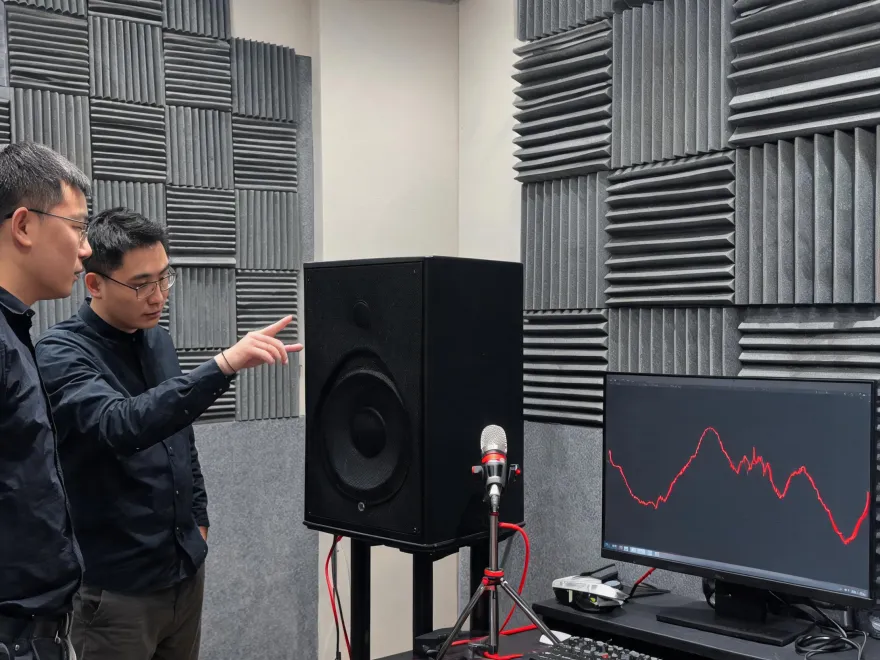
Early Electro-Voice history is associated with solving practical sound-reinforcement problems. The modern lesson is not nostalgia; it is method. A specification should connect the audience, source material, enclosure, processing, mounting, and operating workflow. Removing any one of those links makes a product comparison easier to market but harder to verify.
That method also establishes a boundary. Nominal coverage does not predict every reflection. A maximum SPL number does not describe program headroom by itself. A factory preset does not replace polarity, gain-structure, and placement checks on site. Good documentation keeps those limitations visible.
“A loudspeaker is selected on paper; a system is accepted at listening positions.”
Electro-Voice planning principle used for this site
Attach distance, bandwidth, placement, and test method to performance language.
Name every routing, processing, amplification, and preset handoff.
Make daily modes simpler than the engineering configuration beneath them.
Record what was measured, where it was measured, and what changed.

A technically correct installation can still fail its users when operating modes, safe limits, and escalation paths are unclear. Training should leave a small set of named scenes, a start-up sequence, an approved adjustment range, and a known reset point. That approach is relevant to volunteer teams, school technicians, hospitality staff, and production crews alike.
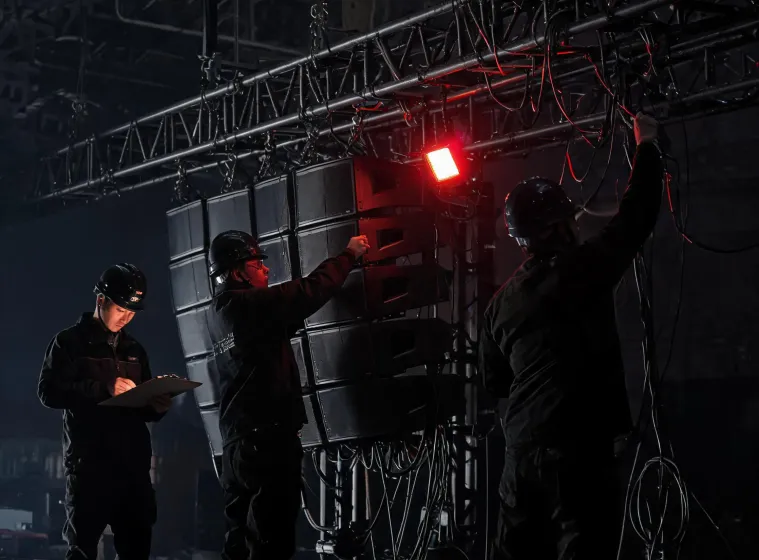
Touring and temporary systems face time pressure, changing rooms, and repeated handling. Labeled cables, stored presets, documented pick points, and a fixed verification sequence reduce ambiguity. They do not remove the need for qualified rigging review or site-specific safety decisions; they make those decisions easier to audit.
We will use those constraints to frame the next product and workflow questions.