Touring and festivals
Fast load-in, known rigging, transport durability, scalable low end, and preset control frame the shortlist. A system still requires site-specific trim, aiming, power, wind, and structural review.
Coverage geometry, operator experience, rigging, weather exposure, and turnover schedules change the correct system conversation.
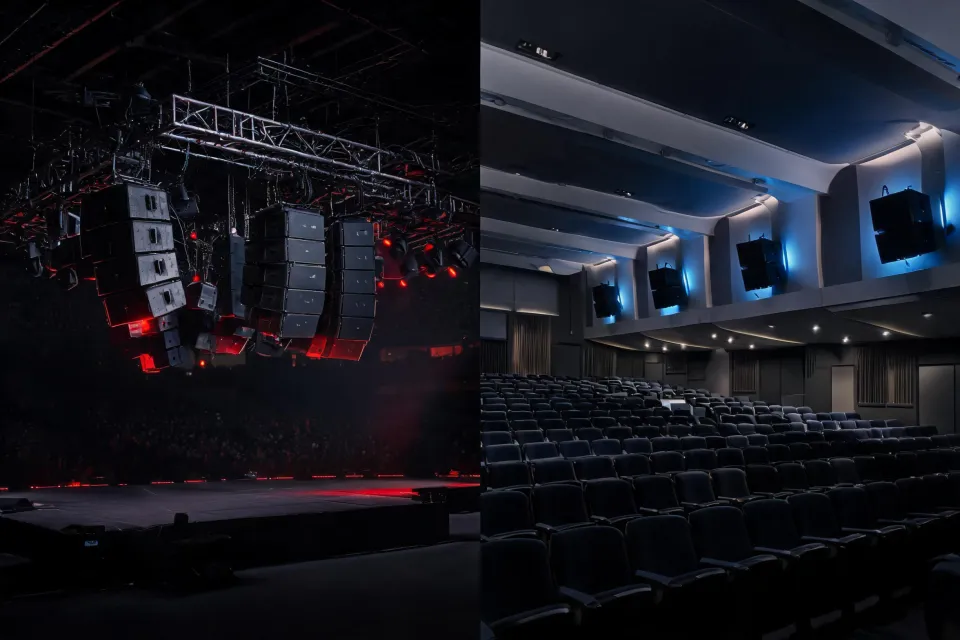
The cards stay horizontally distinct on desktop and become a readable stack on mobile.
Fast load-in, known rigging, transport durability, scalable low end, and preset control frame the shortlist. A system still requires site-specific trim, aiming, power, wind, and structural review.
Speech intelligibility and consistent seating coverage often matter more than peak level. Sightlines, balcony faces, architecture, and volunteer operation shape the deployment.
Long throws, delay zones, weather conditions, emergency messaging interfaces, and distributed control require coordinated design beyond a single loudspeaker family.
Speech, hybrid meetings, room combining, and simple source selection reward stable gain structure and clear modes. Music capability should not compromise day-to-day usability.
Changing operators, restricted access, predictable recall, and serviceability make documentation part of the system. Coverage should support both spoken content and programmed events.
Zoning, background level, architectural discretion, opening hours, and local control are central. Consistency may be more valuable than maximum output across multiple rooms.
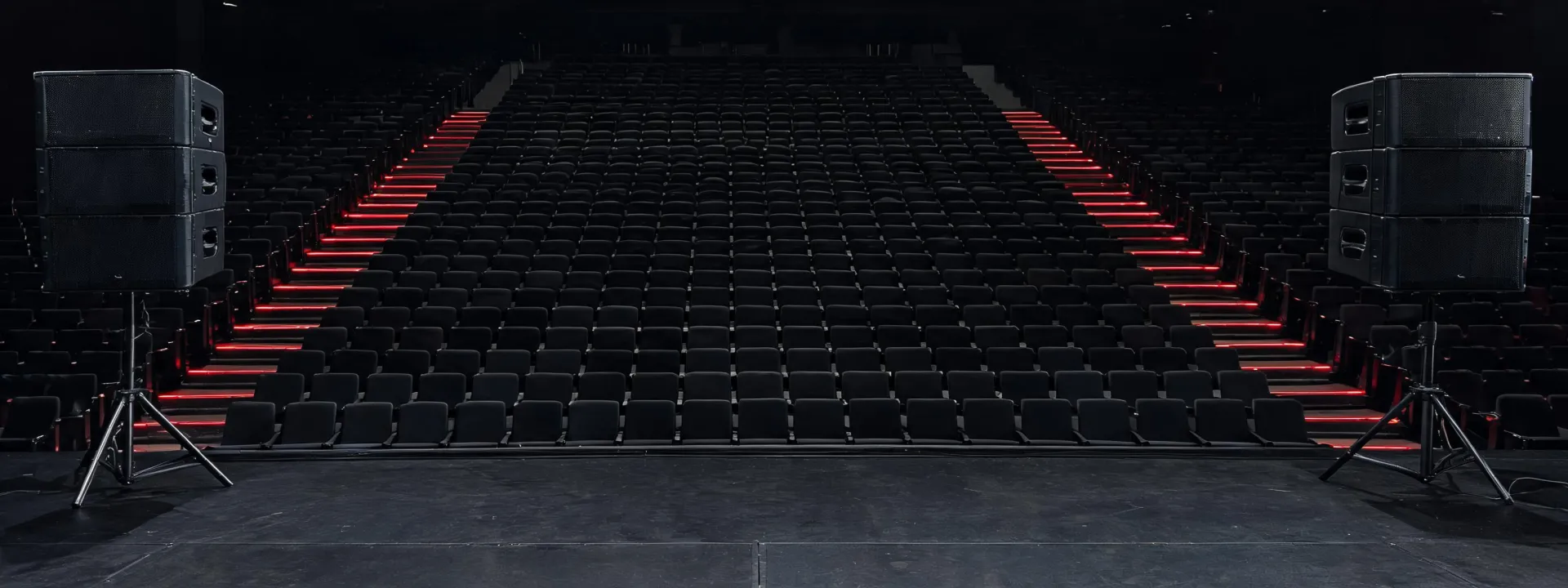
Send room drawings, listening zones, and operating constraints for a focused planning conversation.